Leslie Gulch, Oregon: What to Know Before You Go
Affiliate disclosure: This post may contain affiliate links, which means we may earn a small commission if you make a purchase through one of our links, at no additional cost to you. We only recommend products and services we genuinely use and recommend. As an Amazon Associate I earn from qualifying purchases.
Leslie Gulch ended up being one of the biggest surprises of our two-week Oregon road trip.
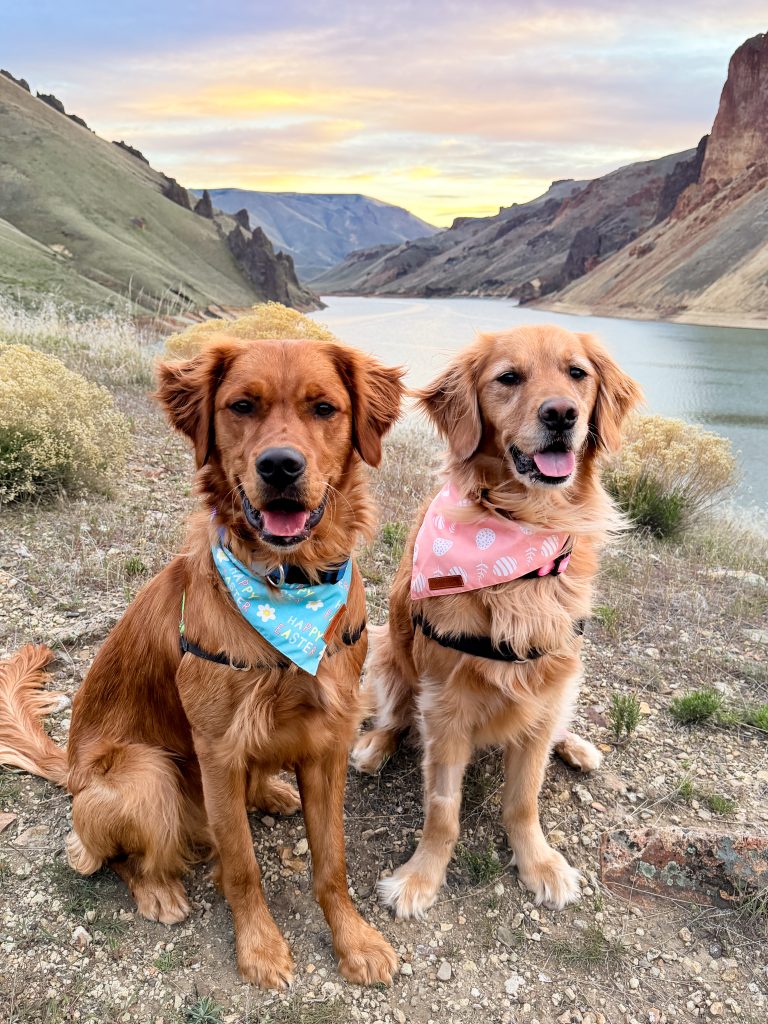
We visited in April with our two golden retrievers, Nala and Oakley, and honestly, we had no idea what we were driving into. Before this trip, we both thought Leslie Gulch was a scenic spot you drove through, looked at for a little while, and continued on your way.
We were very wrong.
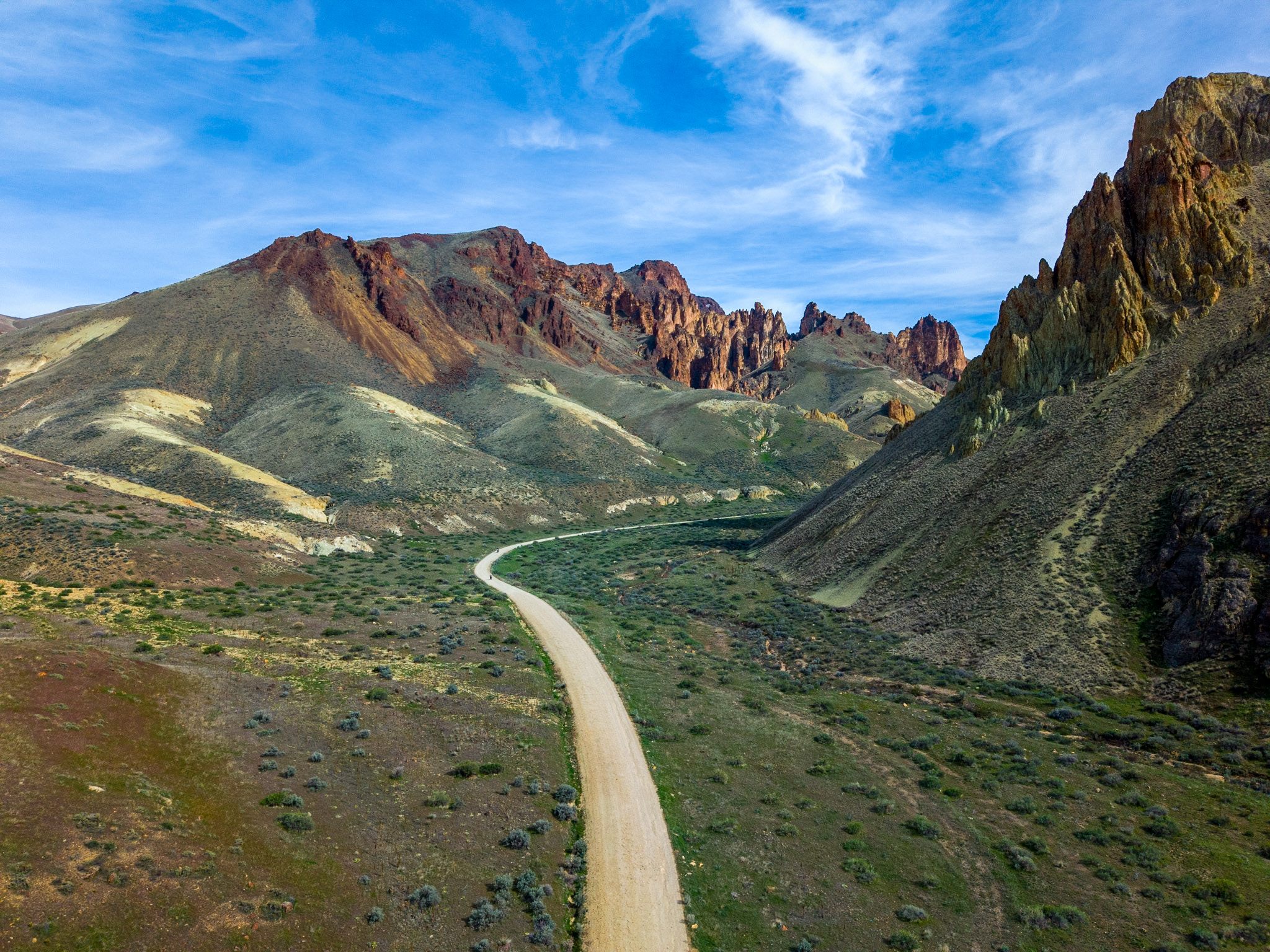
The farther we drove into the gulch, the bigger and more dramatic the landscape became. Every time we thought we had already seen the best part, we would round another corner and somehow it got even better. By the time we reached the campground, we were already wishing we had planned more than one night.
If you’re planning a trip to Leslie Gulch, Oregon, this guide covers what we wish we’d known before visiting, including the drive in, camping, hiking, road conditions, what to bring, and how much time we’d recommend spending there.

Where is Leslie Gulch?
Leslie Gulch is in a remote part of southeastern Oregon in Malheur County, near the Idaho border and Owyhee Reservoir. It’s roughly 50 miles south of Vale, Oregon, but the remote roads and long gravel drive make it feel much farther from civilization.
We drove to Leslie Gulch from Burns as part of our two-week Oregon road trip, and once you get into this area, there really isn’t much around. There are no stores or gas stations at Leslie Gulch, and drinking water is not available, so we’d recommend filling up and bringing everything you need before making the drive in.
We expected to completely lose cell service, but surprisingly, we had spotty T-Mobile service and were even able to get service at the campground. Other people we talked to with different carriers did not have service, so we definitely wouldn’t count on having it. Download your maps before you go and plan as if you’ll have no service once you arrive.
How to Get to Leslie Gulch
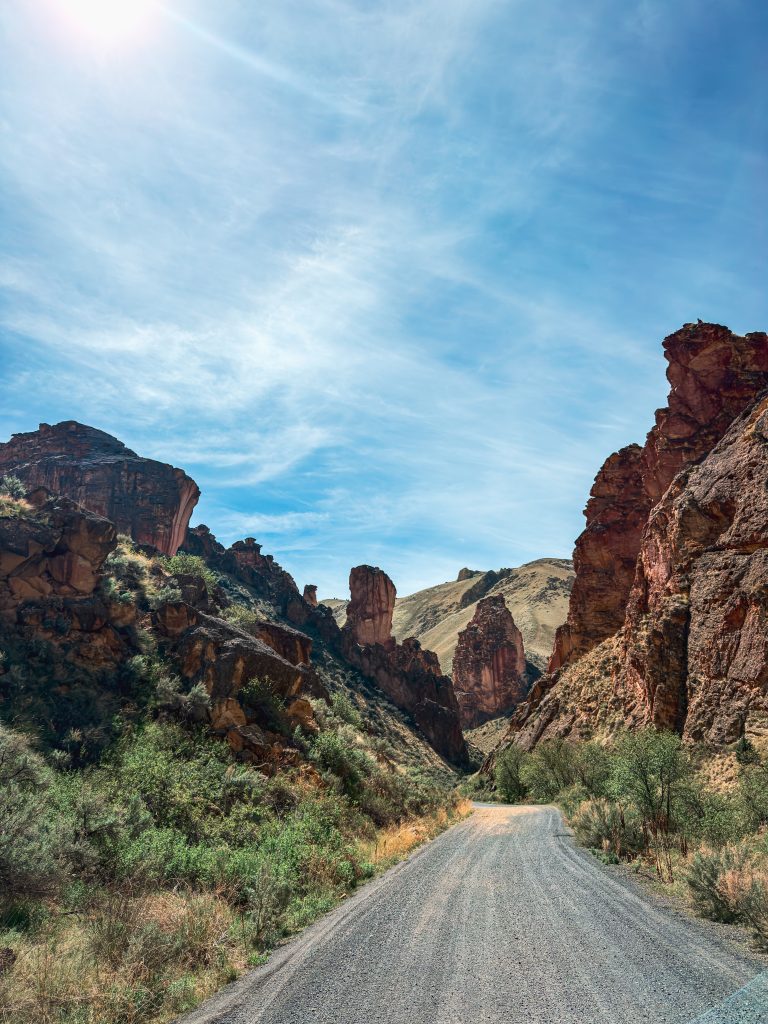
We drove to Leslie Gulch from Burns and came in via Succor Creek Road. Once we reached Succor Creek Road, the rest of our drive to Leslie Gulch was on gravel. It’s about 21 miles of gravel road from Succor Creek to Leslie Gulch, so be prepared for a long stretch of unpaved road.
When we visited in April, the road was dusty and bumpy, and there were multiple spots where we had to slow way down or completely go around a large hole or rock in the road. It wasn’t necessarily a scary drive for us, but it definitely wasn’t a smooth gravel road either.
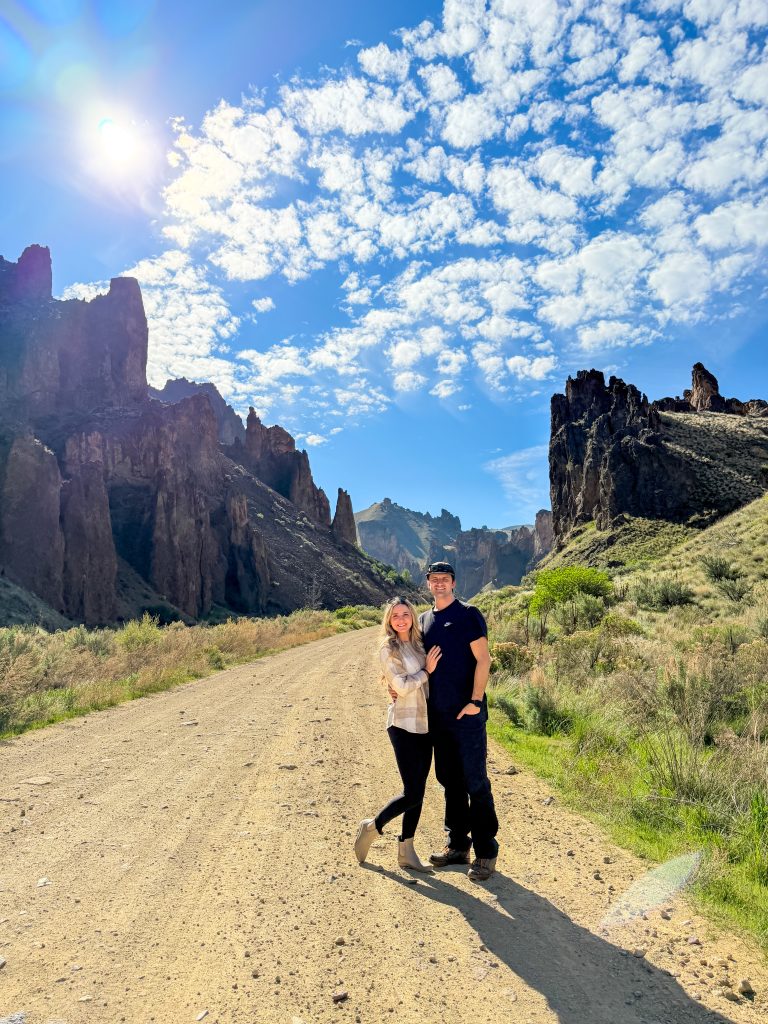
As we got closer to Leslie Gulch, the landscape started changing and the rock formations just kept getting bigger. What we thought was going to be a long gravel drive ended up being part of what made the experience so memorable.
Road conditions can change, especially after rain, so we’d check the weather and current road conditions before heading out.
If you’re turning Leslie Gulch into part of a longer road trip, we also like using Roadtrippers to find interesting stops along the route that we might otherwise miss.
A Little History of Leslie Gulch
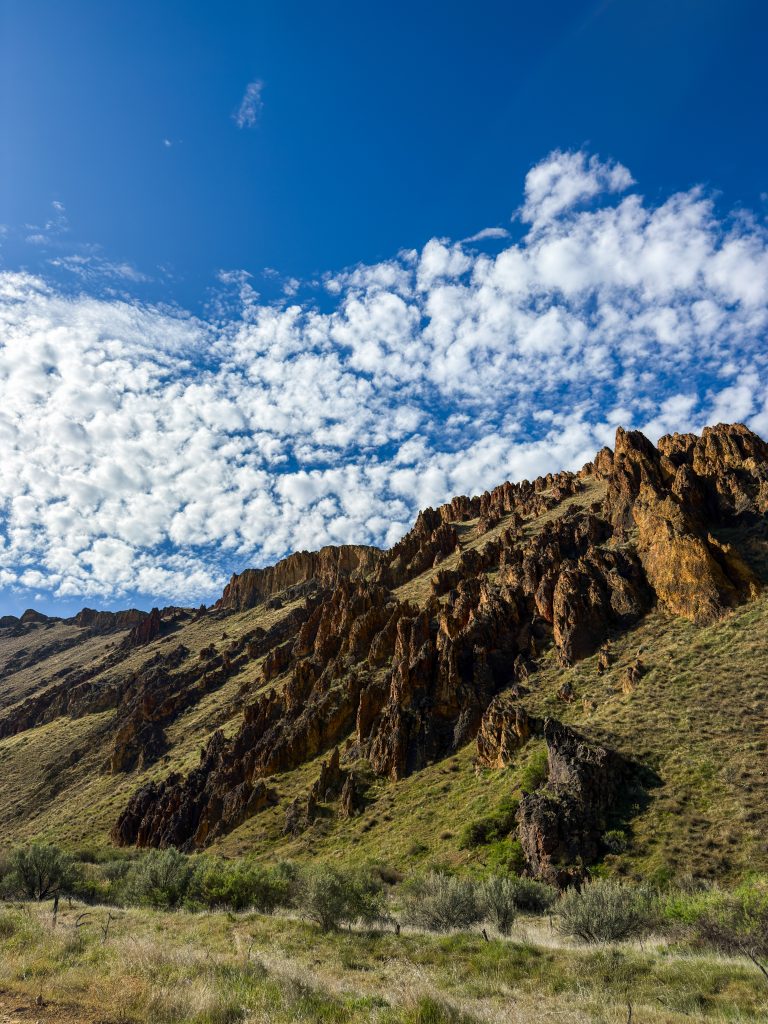
Leslie Gulch looks so different from the rest of Oregon because the landscape was shaped by volcanic activity millions of years ago. The colorful cliffs and towers are made largely from volcanic ash deposits that were slowly carved by erosion into the formations you see today.
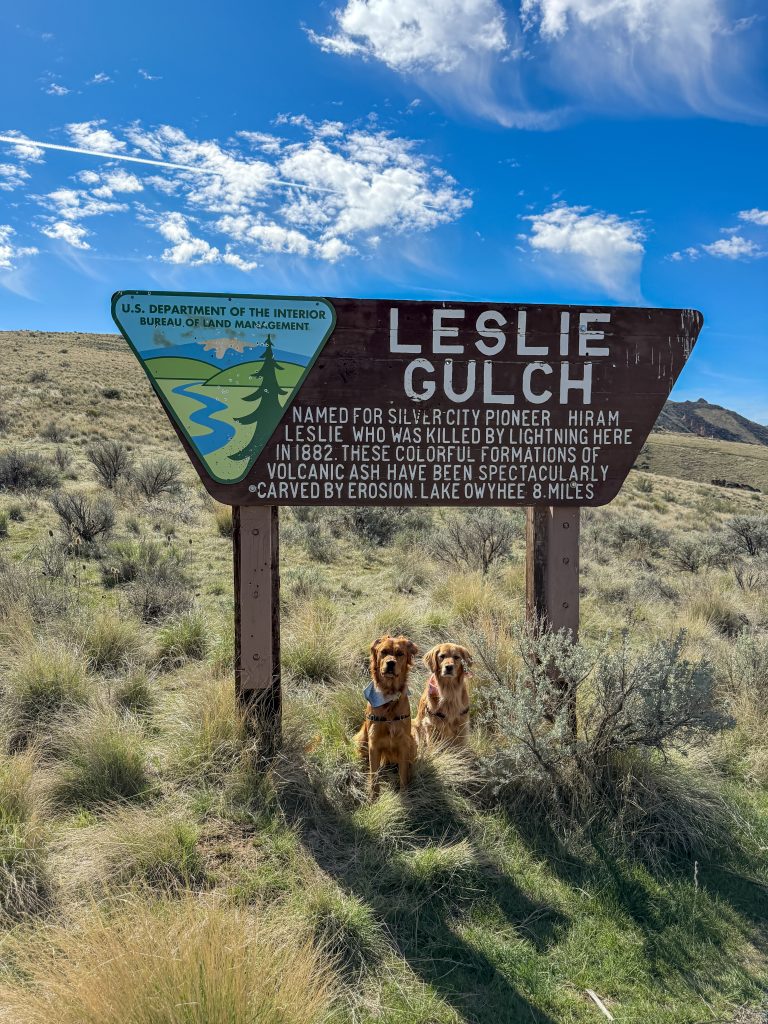
People were using this area long before European settlers arrived, with Indigenous peoples fishing, hunting, and camping along the Owyhee River thousands of years ago. Leslie Gulch later got its current name after Hiram E. Leslie, who was struck by lightning in the gulch in 1882 and later died from his injuries.
We had no idea about any of this before visiting, but once we saw the formations in person, it made us even more curious about how this place ended up looking so completely different from the rest of the state.
Best Time to Visit Leslie Gulch
We visited Leslie Gulch in April, and for us, it was a great time to go. The weather was cool enough for hiking and camping, and there were plenty of open campsites during the week. Spring also meant we avoided the extreme heat that can hit this part of Eastern Oregon later in the year.
If you’re visiting in the summer, be prepared for hot temperatures and very little shade once you’re away from the campground shelters. We’d bring more water than you think you’ll need, especially if you’re hiking or traveling with dogs, and check for current fire restrictions before your trip.
Fall could also be a great time to visit as temperatures start cooling down again. No matter when you go, we’d check the forecast before making the drive since weather can have a big impact on conditions in such a remote area.
Camping at Leslie Gulch
We stayed at Slocum Creek Campground for one night, and in hindsight, we really wish we had stayed longer. The campground is free and has nine campsites. We were there during the week in April, and there were plenty of open sites when we arrived. Only three other groups were camping there: one travel trailer, one camper van, and one truck-bed tent setup.
The campground is pretty basic, but honestly, it had everything we needed. There are vault toilets, and most of the sites had covered shade structures with picnic tables. The shelters even had eyelets that looked perfect for hanging a hammock, which we definitely would have used if we had brought one.
There is no drinking water at the campground, so make sure you bring enough for your entire stay. The maximum stay is 14 days, and camping within the Leslie Gulch area is limited to Slocum Creek Campground.

Can You Bring a Trailer to Leslie Gulch
This is one of the questions we get asked most, and before our trip, we honestly would have guessed no.
Then the group camping directly next to us showed up towing a travel trailer. We’ve also had multiple people comment on our Leslie Gulch videos saying they’ve towed their boats down the road to Owyhee Reservoir.
So yes, people do make it down there towing trailers and boats, but that doesn’t necessarily mean we’d recommend it for everyone. The BLM does not recommend large RVs or trailers on the road into the campground, and road conditions can change.
If you’re thinking about bringing a trailer, RV, or boat to Leslie Gulch, we’d check the current road conditions before your trip and make the decision based on your specific setup and what you’re comfortable driving on gravel roads.
Owyhee Reservoir at Leslie Gulch
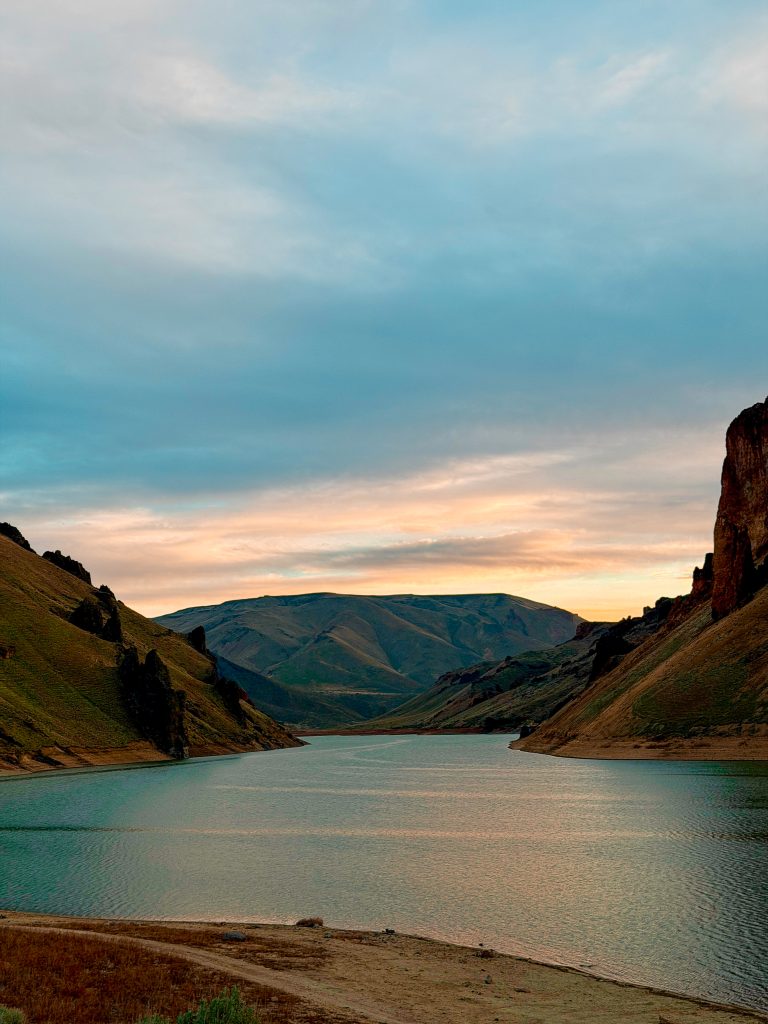
One of the things we didn’t realize before visiting was that the road through Leslie Gulch takes you all the way down to Owyhee Reservoir. We thought we were going for the rock formations and scenic drive, so getting down to the water was another surprise.
We spent some time exploring around the reservoir and saw people out on the water with boats. We also saw a few groups set up along the shoreline and in pullouts along the road, although camping within the Leslie Gulch area is limited to Slocum Creek Campground.
If we went back with more time, we’d definitely plan to spend longer down by the reservoir. Between the water and the huge rock formations surrounding the area, it felt completely different from what we expected when we first planned the trip.
Hiking and Exploring Leslie Gulch
One of the biggest things we didn’t realize before our trip was that there were actually hiking trails throughout Leslie Gulch. We went into the trip thinking it was mostly a scenic drive, so we didn’t plan enough time to hike any of them.
As we drove through the gulch, we kept passing trailheads and side gulches that we wished we had known about before we got there. By that point, we only had one night and had already planned the rest of our road trip, so we didn’t have enough time to explore them.
If hiking is something you want to do at Leslie Gulch, we’d definitely look into the trails before your trip and plan more time than we did. This is one of the biggest reasons we wish we had stayed longer.
Leslie Gulch vs. Timber Gulch
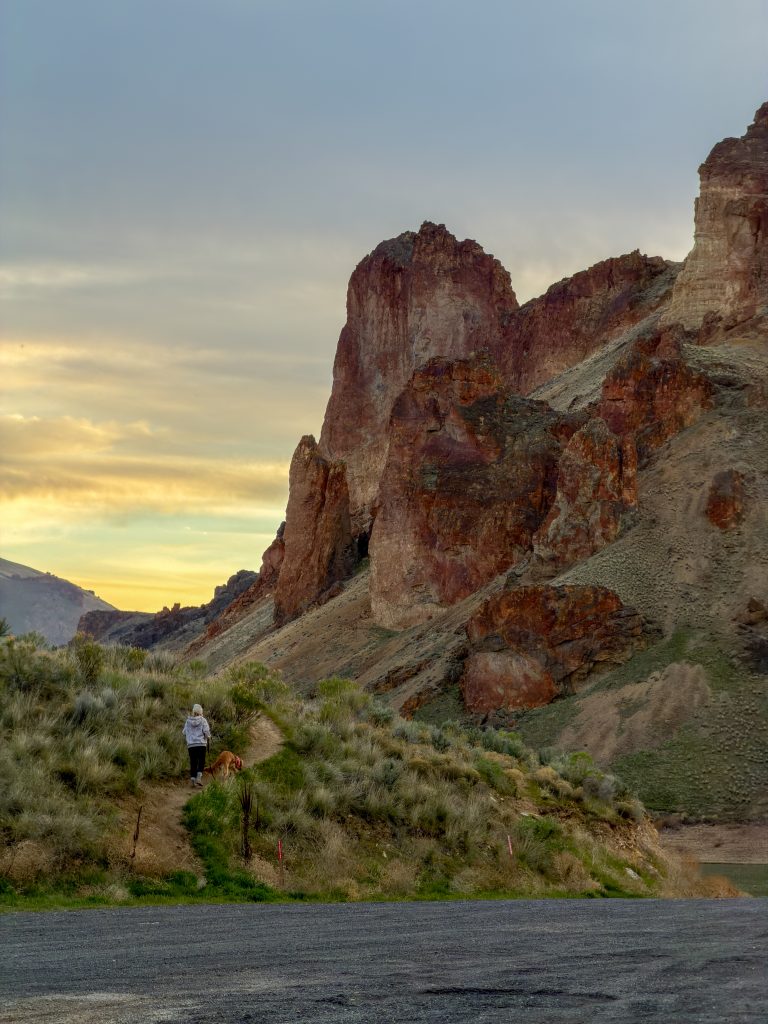
Before planning this trip, we didn’t realize Leslie Gulch and Timber Gulch were two different things. Leslie Gulch is the larger area and main canyon you drive through on the way to Slocum Creek Campground and Owyhee Reservoir, while Timber Gulch is one of the side gulches you can hike and explore along the way.
We didn’t know about the Timber Gulch hike before our trip, so unfortunately, we didn’t leave enough time to do it. We’re already planning a trip back to Leslie Gulch specifically to spend more time hiking and exploring the trails we missed the first time around.
How Long Should You Stay at Leslie Gulch?
We only stayed at Leslie Gulch for one night, and that was definitely not enough time for us.
If you’re making the drive all the way out there, we’d recommend staying at least two nights if you can. That gives you a full day to explore without having to fit the drive in, the campground, Owyhee Reservoir, and any hiking you want to do into the same day.
We originally planned Leslie Gulch as one stop on our two-week Oregon road trip. After being there, we’d absolutely plan it as a destination on its own.
What to Bring to Leslie Gulch
Because Leslie Gulch is so remote, this is one trip where we’d rather bring too much than realize we forgot something once we got there.
For our next trip, we’d make sure we had plenty of food and drinking water, extra water for the dogs, our camping gear, a stocked cooler, and a portable power setup. We’d also bring basic roadside gear like a tire inflator since you’ll be spending a lot of time on gravel roads.
One thing we forgot on our first trip was firewood. There wasn’t a fire ban when we visited in April, and the campground had fire rings, but we hadn’t brought any wood with us. If fires are allowed during your visit and you plan to have one, make sure you check the current fire restrictions and firewood rules before your trip.
Safety + Leave No Trace
Flash flooding is something to take seriously at Leslie Gulch. Heavy rain can make the roads impassable, and flash flooding can happen quickly in the gulches and washes. Check the forecast before your trip, and if storms are possible, avoid low areas and never try to drive or walk through floodwater.
Rattlesnakes and ticks are also found in the area, so keep an eye out while hiking and exploring, especially if you’re bringing dogs. We had Nala and Oakley with us during our trip and didn’t run into any, but it’s definitely something we’d be prepared for.
Leslie Gulch is a remote and incredibly beautiful place, so help keep it that way. Stay on established roads and trails, pack out everything you bring in, and don’t collect rocks, vegetation, or firewood. If you’re bringing dogs like we did, keep them under control and clean up after them.
Is Leslie Gulch Worth Visiting?
Yes, absolutely.
Leslie Gulch ended up being one of the biggest surprises of our two-week Oregon road trip. We went in thinking it would be a quick scenic stop and left wishing we had planned more time there.
Between the drive through the canyon, the huge rock formations, Slocum Creek Campground, Owyhee Reservoir, and just how remote the whole area felt, it ended up being one of those places we kept talking about after we left.
If you’re willing to make the drive and come prepared, Leslie Gulch is 100% worth adding to an Eastern Oregon road trip. We’re already planning a trip back to hike the trails we missed the first time.
Planning a trip to Leslie Gulch? Save this guide for later, and follow Revel the Miles on Instagram, Facebook, and TikTok for more Oregon road trips, hidden gems, and realistic weekend adventures.